






Reading Solana: A Practical Guide to SOL Transactions, Analytics, and Token Tracking
Wow! The Solana ledger moves fast. Seriously? It moves really really fast. My first impression was: whoa, this feels like watching a ticker tape in a trading pit. Initially I thought high throughput alone solved explorer problems, but then realized there’s more nuance around UX, mempool visibility, and token metadata that trips people up.
Okay, so check this out—if you’re searching for a reliable way to parse SOL transactions and track tokens, you want three things: clarity, speed, and trustworthy analytics. Hmm… you want context too. Transactions without context are just numbers. On one hand you can see a transfer hash and call it a day. Though actually, wait—let me rephrase that: seeing a transfer is a start, but you need sender intent, program interactions, and token mint details to make sense of it.
Here’s what bugs me about many explorers. They hide program logs or bury token metadata behind extra clicks. That frustrates users who need quick answers. My instinct said: show the token mint, show recent holders, and surface price oracles if available. Something felt off about how some platforms present failed transactions—opaque and unhelpful.
The practical flow for investigating a SOL transaction is simple in theory: identify the signature, inspect instructions, check account changes, and cross-reference token mints and marketplaces. In practice it’s messy. On Solana, a single transaction can hit multiple programs, change token accounts, and emit logs that you need to parse. If you’re debugging a swap gone wrong, you want the instruction order and pre/post balances side-by-side. That saves hours…
When I dig into analytics, I look for trends more than single events. Short-term spikes matter. Long-term holder distribution matters more. A meaningful analytics dashboard shows both—time-series for volume and discrete tables for whale movements. I’m biased toward dashboards that let me filter by mint, by program, and by stablecoin involvement.
How to Read SOL Transactions Like a Pro
Start with the signature. Seriously, that’s your anchor. Then scan for program IDs involved and note whether those are native programs like System Program or token-related ones like SPL Token. Check instruction types next; transfers are obvious but CPI calls hide intent. If you see a Serum or Raydium program ID, expect liquidity interactions and price impact implications.
Logs tell the story. They often show errors, events, and return data that reveal why a call failed. Hmm… sometimes logs include base64 blobs that look cryptic. On deeper inspection those blobs decode into program-specific structs, and if you don’t decode them you miss the nuance. Tools that parse logs for common programs save you time and frustration.
Token tracking is its own beast. You should always pin the mint address. Always. Token names are mutable and user-friendly tickers can be spoofed. I once chased an airdrop address because the token label looked legit—lesson learned. The mint is immutable; it’s the canonical identifier.
For holder analytics, watch for concentration risk. A token with 90% held by 10 wallets is risky. Watch vesting schedules too; unlocked spikes mean potential sell pressure. A good token tracker will present holder distribution, top holders, and age of holdings in one pane. If it also offers historical snapshots, that’s gold.
Where Analytics and Token Trackers Excel (and Where They Fail)
Good explorers give you more than a raw transaction log. They provide decoded instructions, token metadata, price links, and holder breakdowns. Bad ones stop at lamports moving and leave you guessing. I’m not 100% sure every feature is necessary for casual users, but for power users these details are crucial.
One common failing: stale metadata. Token names and icons sometimes point to outdated on-chain metadata or broken off-chain links. That part bugs me. Another issue is fee visibility; users often forget to check priority fees during congestion which skews apparent costs. On the flip side, live analytics that show average fees per minute and failed transaction rates across the cluster are very helpful.
To evaluate platforms, try these quick tests: search a weird transaction, find the decoded program logs, locate the mint and holder list, and see if you can export data. If those steps are smooth, the explorer is useful. If you hit roadblocks, switch.
Okay—practical tip: when you suspect a rug or scam, cross-reference the token mint holder distribution, transfer history, and whether the mint is associated with known attack patterns like permissioned minting or admin-controlled burn. Some trackers surface “mint authority” status—use that. Also look for rapid mint/transfer cycles which often correlate with wash trading or manipulation.
My Favorite Shortcuts and Workflow
I often start with an address search. Then I pivot to signature view and copy the instruction indices for context. Next I open the token mint page and scan holder concentration. On many occasions, I follow up with price oracle checks and marketplace listings to see liquidity depth. If I’m investigating a failed swap, I replay the instruction sequence and note the exact instruction failure—program logs usually tell you why.
Something I do repeatedly is export CSVs for deeper analysis. It’s clunky but effective. I’ll load them into a spreadsheet and run quick pivots to see holder churn or daily transfer counts. A clean token tracker makes CSV export painless and well-formatted. That alone can save hours.
On a tooling note—if you’re exploring Solana often, choose an explorer that integrates analytics and token tracking in one view. Jumping between separate sites drains you. I like explorers that also provide API keys for programmatic queries when I need to automate checks.
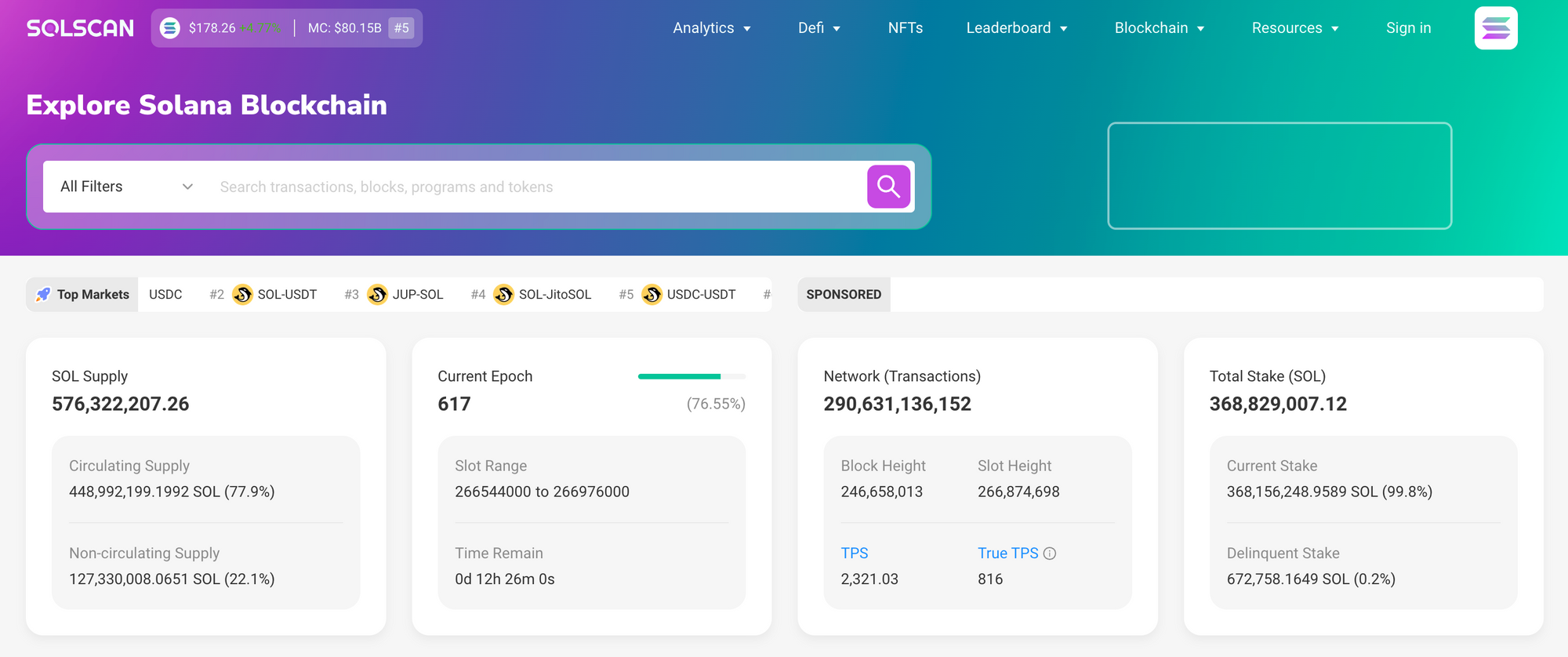
For a solid starting explorer, consider checking a known interface that focuses on Solana ecosystem specifics and user-friendly decoded views—try this official-looking resource which I use as a baseline: https://sites.google.com/cryptowalletextensionus.com/solscan-explorer-official-site/. It’s handy when you need quick access to transaction decoding, token mints, and holder lists.
FAQ
How do I verify a token is legitimate?
Start with the mint address and check the mint authority and supply behavior. Then review holder distribution and recent mint events. Look for reputable listings, active markets, and on-chain metadata that resolves properly. If there’s centralized mint authority or extremely concentrated holdings, be cautious—these are common red flags.
What’s the fastest way to debug a failed swap?
Copy the transaction signature and inspect the instruction sequence and program logs. Identify which instruction returned an error, then decode that instruction against the program’s known API. Check pre/post balances of involved token accounts. Often the error is a SOL or token shortage, slippage misconfiguration, or an unmet PDA condition.












喜欢这篇内容吗?