







Why firmware updates, multi-currency support, and portfolio tools matter for secure crypto custody
Whoa!
I still get chills updating firmware on my hardware wallet.
Something about pressing confirm on a tiny screen feels a bit like signing a blank check.
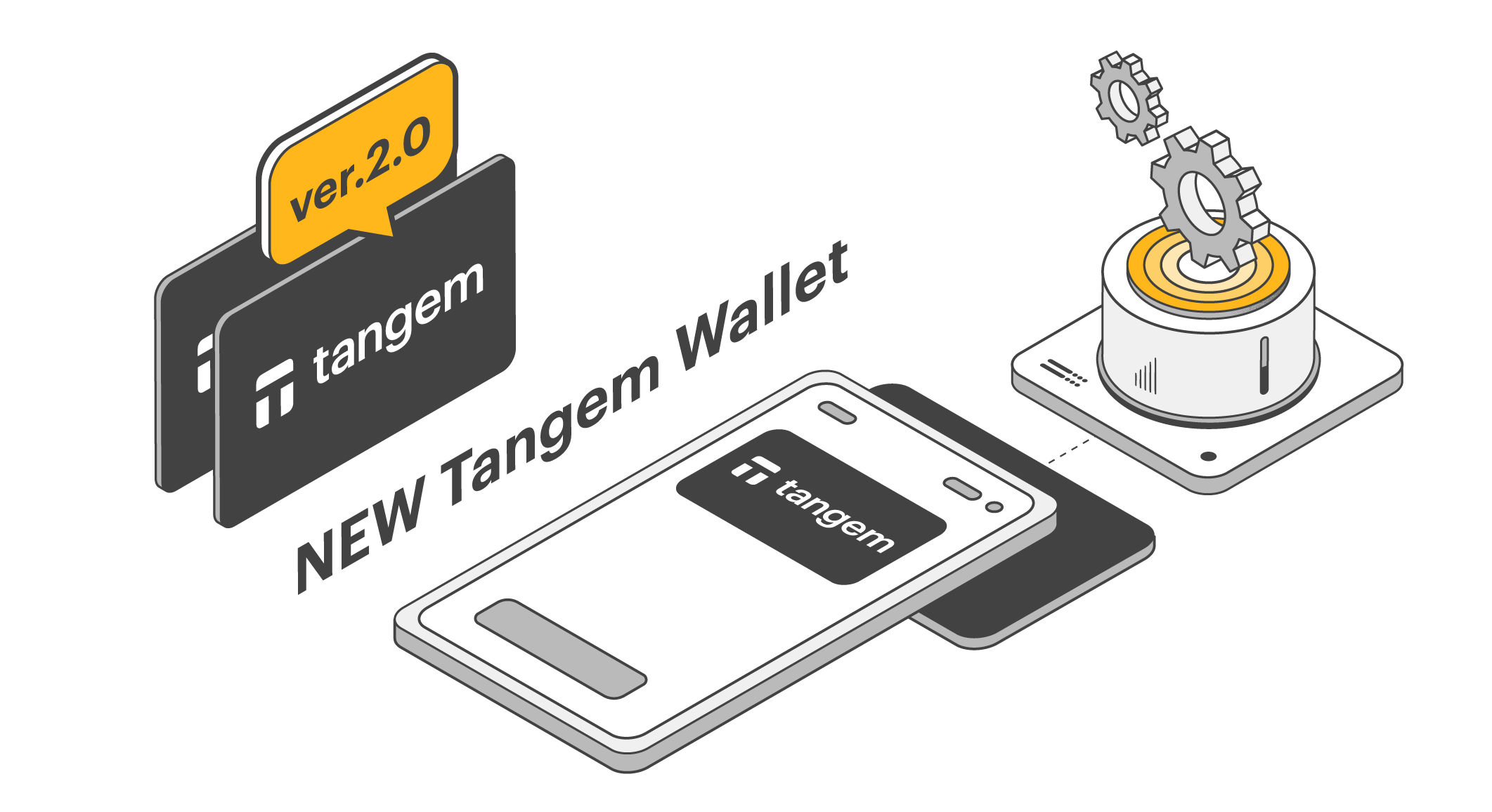
At the same time, firmware updates are the primary way device makers fix security holes, add support for new coins, and improve user flows so your cold storage actually ages well instead of becoming a liability over time.
I’m biased, sure, but ignoring updates can be the difference between holding safe assets and holding a target for an exploit.
Really?
Yes — and there’s nuance.
Not every update is urgent, and not every release is flawless.
On one hand, a delayed firmware can mean missing critical cryptographic fixes; on the other hand, rushing onto day-one firmware without vetting can introduce compatibility headaches or rare regressions that complicate multisig setups for weeks.
So you learn to balance caution with pragmatism, and that balance shifts over time.
Whoa!
First, some straightforward rules I follow.
Only update via the vendor’s official channel and verify signatures where possible.
For Trezor users I use the vendor app as my primary workflow and cross-check on their site; for example, the trezor suite is the app I open when I’m ready to update and manage accounts because it simplifies signature verification and firmware delivery in one place.
Actually, wait — that doesn’t mean blindly auto-updating; I still read the release notes, check GitHub or the vendor’s changelog, and scan community channels for early reports of problems before applying an update to devices holding large balances.
Whoa!
Second, how to approach the update process practically.
Back up your seed phrase and verify your recovery words before doing anything invasive.
Unplug unnecessary USB devices, use a clean host machine, and if you’re using a laptop that does lots of syncing and background updates, I’d prefer moving to a minimal environment or a dedicated machine temporarily so you don’t get distracted or interrupted mid-flow.
And if you’re managing multiple devices, update one device first, test a simple send and check address derivations, then proceed to the rest — it’s a basic but very effective mitigation strategy when you manage many assets.
Whoa!
Third, authenticity checks are non-negotiable.
Firmware binaries should be accompanied by cryptographic signatures and clear instructions from the vendor.
When possible, verify the signature locally or via the vendor’s app which will do this for you; if the signature fails or documentation is unclear, stop and contact official support — phishing and fake firmware are a real risk even for seasoned users.
My instinct said to trust the UI once, and that one time I didn’t double-check a signature, somethin’ odd happened — luckily I caught it before moving funds, but it was a reminder that faith without verification is lazy security.
Whoa!
Now about multi-currency support — it matters more than you’d think.
Hardware wallets that can manage many coin types reduce attack surface by limiting private key export, but they also add complexity under the hood.
Different coin families (UTXO vs account-based vs exotic ledgers) require different signer code paths, and firmware that adds new currencies must integrate carefully to avoid cross-coin address derivation bugs or UX confusion that leads to user error.
So I prefer vendors that roll out support incrementally with clear account indexing and that document how each coin maps to derivation paths and change addresses.
Here’s the thing.
Managing dozens of coins in one device is convenient, but it can blur clarity about which accounts were actually derived on-device and which were imported or watched.
Keep a ledger (physical) or a secure note listing which derivation paths you use for which coins, and avoid importing private keys into software wallets unless you’re comfortable with the tradeoff; the more you centralize, the more you must be disciplined about firmware and app hygiene.
Also, test rare coin withdrawals with tiny amounts first — I can’t stress this enough — because unusual chains sometimes behave differently and you don’t want surprises with mempool behaviors or gas estimations when moving huge sums.
Really, small tests save big headaches.
Whoa!
Portfolio management is the third pillar people mix up with custody practices.
Having a portfolio view is useful, but the UI that aggregates balances must not press you to sacrifice security for convenience.
Many wallet apps, including the desktop and web companions, provide portfolio dashboards, price charts, and historical P&L, and those are great for decision making; but keep your private keys on the hardware device and use the companion only to view and create unsigned transactions that must be confirmed on the device itself.
On that note, whether you prefer a vendor app or a third-party aggregator, double-check what data leaves your machine and what permissions you’re granting when connecting browser extensions or mobile apps to your hardware.
Whoa!
Integration with external portfolio trackers can be handy for tax and reporting simplicity.
But beware of giving read/write permissions where read-only is sufficient.
If you must connect, prefer read-only APIs or use watch-only addresses exported from your device, and keep an audit log of which services have access to which addresses so you can revoke or rotate when necessary.
On one hand analytics are valuable, though actually — they create fingerprints across services that could be correlated if privacy is a concern, so decide what level of anonymity you want and act accordingly.
Whoa!
Some real-world caveats from my own missteps.
Once I updated on day-one without waiting and hit a UI regression that made a coin’s address display ambiguous; I noticed odd spacing and paused, and it saved me from sending funds to a change address that looked like an external one.
Initially I thought this was nitpicking, but then I realized that even subtle UI regressions can lead to serious user mistakes, and that made me change my update policy to include a waiting period for major releases while also keeping a small test-balance for quick verification.
So yeah, I’m not 100% perfect here — I still get impatient — but habits matter, and these simple rituals reduce risk materially.
Whoa!
Practical checklist before updating firmware or managing multi-currency holdings:
Back up the seed and verify words; check vendor signatures; read release notes and community threads; test on a small balance; update companion apps too; and maintain a separate inventory of derivation paths.
Also, keep one offline emergency plan for recovery that only you know, and rehearse recovering on a blank device occasionally so you know it works when you actually need it.
I’ve done the practice recovery on a spare unit twice a year — it’s annoying, but it builds confidence and surfaces forgotten passphrases or mistakes before they hurt.
Final thoughts
Whoa!
Firmware updates, multi-currency support, and portfolio tools are interconnected concerns.
Each decision about convenience versus caution ripples across your entire custody model.
I’m skeptical of absolute rules, though I’ve settled into pragmatic ones that prioritize verification, incremental adoption, and regret-free testing so I don’t learn the hard way when money is at stake; somethin’ to consider when you design your own process.
Ok, so check this out — treat your hardware wallet like a small vault: maintain it, verify every change, and be intentional about what you expose to portfolio services.
FAQ
Q: Is it safe to update firmware immediately after release?
A: Not always. Critical security patches should be applied promptly, but for major feature releases I wait 24–72 hours to see community feedback and to ensure companion apps are updated and stable.
Q: Can one device truly support dozens of currencies securely?
A: Yes, technically most modern hardware wallets support many coins, but complexity increases. Keep a record of derivation paths, test rare chains with small amounts, and isolate high-value holdings when possible.
Q: How should I use a portfolio app without sacrificing security?
A: Use read-only connections or watch-only addresses for aggregation, keep private keys on-device, and avoid granting write permissions to third-party services; prefer official companion apps for transaction signing whenever feasible.




:fill(white):max_bytes(150000):strip_icc()/Exodus-0c4aa171f9fd4b72b9bef248c7036f8d.jpg)






喜欢这篇内容吗?